Oversized T-Shirts: What Buyers Should Know Before Sourcing
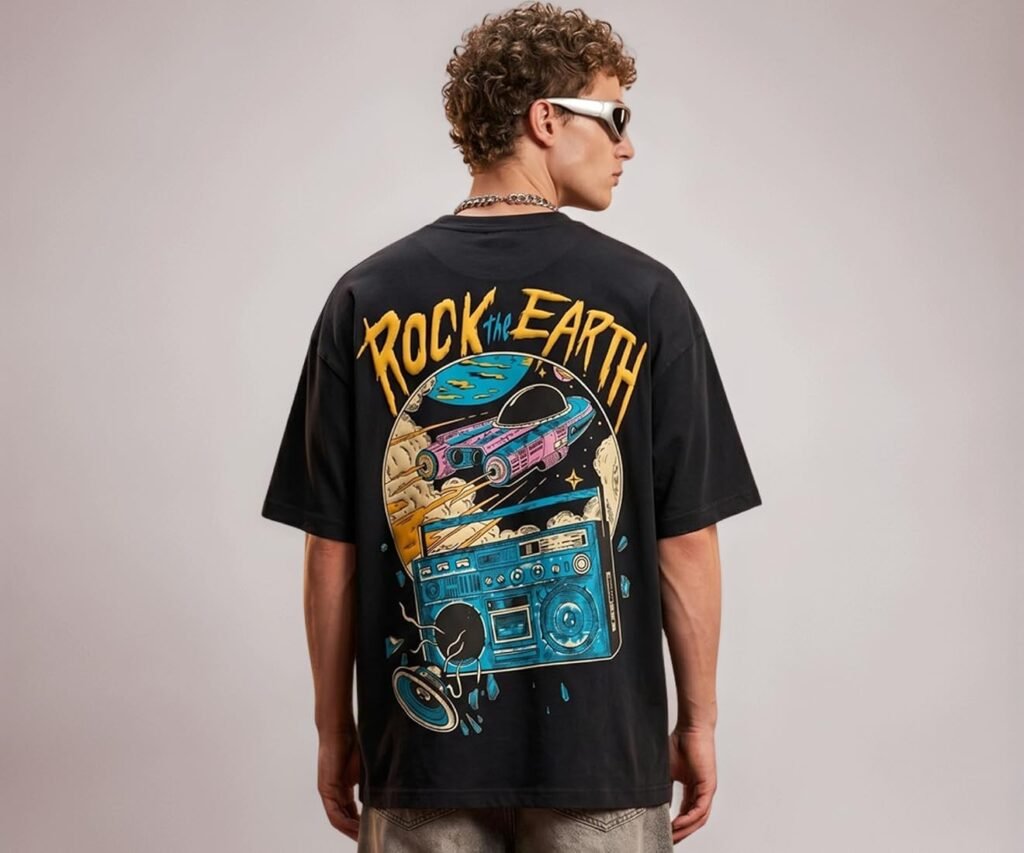
A boxy, drop-shoulder fit looks simple on a mockup, but getting it right in production is trickier than resizing a standard tee pattern. Oversized garments rely on specific proportions, fabric weight, and pattern-making techniques that a factory built around fitted basics doesn’t always handle well on the first attempt.
Brands sourcing oversized t-shirts for a streetwear line, retail collection, or branded merchandise need a manufacturer that understands this distinction, rather than assuming any general apparel factory can simply scale up a fitted pattern and call it oversized.
Quick Answer: What Defines a Proper Oversized T-Shirt?
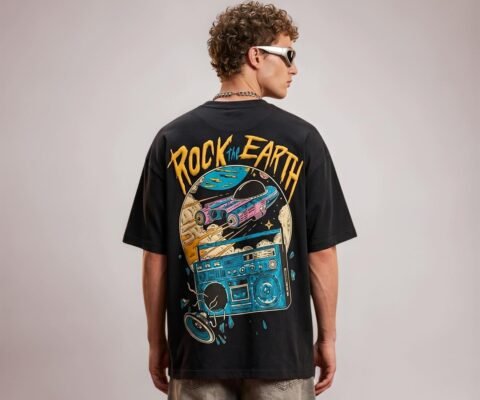
A well-made oversized T-shirt is defined by intentional proportions rather than size alone. Depending on the design, it may use dropped shoulders, a wider chest, adjusted sleeve proportions, and a boxy or relaxed body. Fabric weight should match the intended drape: lighter fabrics create a softer silhouette, while heavier fabrics provide a more structured streetwear look.
Why Oversized Fit Requires Different Pattern-Making
Scaling a standard fitted t-shirt pattern up a size or two doesn’t produce a genuine oversized garment. It usually just results in extra fabric bunching in places that weren’t designed for it, particularly around the shoulders and sleeves. A proper oversized silhouette needs its own pattern, built around drop-shoulder construction and intentional proportions from the start.
An experienced oversized t-shirt manufacturer understands this and builds patterns specifically for the boxier fit, rather than modifying an existing fitted template. This shows up most clearly in the shoulder seam placement, which sits lower and wider on a true oversized design, and in how the body of the shirt falls without clinging or pulling at the sides.
Fabric weight also affects the final silhouette. Around 180–220 GSM can create a softer, more fluid oversized drape, while 220–300 GSM is commonly selected for a firmer, more structured streetwear look. Higher GSM is not automatically better; the right choice depends on climate, fit, and intended use.
Key Benefits of Sourcing From an Experienced Manufacturer
Proper drop-shoulder construction. A manufacturer experienced in oversized fits builds patterns specifically for the silhouette, rather than resizing a standard template.
Better fabric weight matching. Heavier GSM fabric holds structure at oversized proportions, avoiding the shapeless look that lighter fabric produces at a larger cut.
Consistent fit across sizes. Proper pattern-making keeps the oversized proportions consistent from small through extra-large, rather than the fit becoming distorted at size extremes.
Stronger print and embroidery placement. Experienced manufacturers understand how larger garment proportions affect where decoration should sit for the best visual result.
Buying Guide: What to Look For
Not every manufacturer delivers the same fit accuracy at oversized proportions. Here’s what to confirm before placing a bulk order.
| Factor | Why It Matters |
| Pattern-making experience | Ask specifically whether patterns are built for oversized fits or adapted from standard sizing |
| GSM and fabric weight | Choose the GSM according to the intended drape. Around 180–220 GSM suits softer oversized fits, while 220–300 GSM provides a more structured silhouette. |
| Shoulder and sleeve construction | Confirm whether the design uses drop-shoulder, set-in sleeves, or another construction, and make sure it matches the intended silhouette. |
| Size consistency | Ask how proportions are maintained across the full size range, especially at extremes |
| Sample availability | Request a physical sample to verify fit and drape before committing to bulk production |
| MOQ per style | Confirm minimum order quantities align with your actual volume needs |
| Bulk production lead time | Confirm this runs separately from sampling and shipping timelines |
If your design includes a print or embroidery placement specific to the oversized proportions, confirm the manufacturer accounts for this during pattern development rather than applying a standard placement template.
Common Mistakes to Avoid
Assuming any factory can scale up a fitted pattern. Genuine oversized fits require dedicated pattern-making, not a resized version of a standard template.
Choosing fabric without considering the intended drape. Lighter fabrics can work well for soft, relaxed silhouettes, while denser or heavier fabrics are usually more suitable for structured and boxy streetwear styles.
Skipping a fit sample. Photos and spec sheets don’t reliably show how a boxy, drop-shoulder silhouette will actually drape on a body.
Ignoring size consistency across the range. A pattern that works well at a medium size doesn’t always translate cleanly to extra-large without careful grading.
Expert Tips
Request a fit sample in at least two sizes if your line spans a wide size range, to confirm proportions stay consistent rather than distorting at the extremes.
Ask the manufacturer directly about their experience with drop-shoulder construction specifically, not just general oversized or streetwear production, since the shoulder and sleeve details make the biggest visual difference.
Choose fabric weight based on the intended drape. 220 to 260 GSM tends to work well for most oversized tees, offering enough structure without feeling overly heavy or warm.
Why Choose Unit Hundred
Unit Hundred operates as an oversized t-shirt manufacturer with over 20 years of production experience, offering dedicated pattern-making for drop-shoulder and boxy silhouettes rather than resized standard templates. Cutting, sewing, printing, embroidery, and quality control are all handled in-house, keeping fit consistency accountable across the full size range and every reorder.
Ready-made oversized styles with printing or embroidery typically start from 50 pieces, while fully customized designs usually start from 100 pieces per style. Standard samples generally take 3 to 7 working days, with bulk production running 7 to 20 working days after sample approval, depending on fabric availability and order complexity.
FAQs
What makes a t-shirt genuinely oversized versus just a larger size?
A true oversized T-shirt uses intentionally developed proportions, such as a wider body, adjusted shoulder line, and modified sleeve shape, rather than simply selecting a larger size. Drop shoulders are common, but they are not required for every oversized design.
What’s a typical MOQ for oversized t-shirts?
Ready-made styles with printing or embroidery often start from 50 pieces, while fully customized designs typically require around 100 pieces per style.
What GSM works best for oversized t-shirts?
180–220 GSM works well for softer, lighter oversized T-shirts, while 220–300 GSM is commonly used for structured, heavyweight streetwear styles. The best choice depends on climate, fit, and desired drape.
How do I know if a manufacturer has real oversized fit experience?
Ask specifically about drop-shoulder construction and dedicated pattern-making for oversized silhouettes, rather than general streetwear production experience alone.
Does oversized fit stay consistent across all sizes?
It should with proper pattern grading. Request samples in multiple sizes to confirm proportions hold across the full range.
How long does sampling take for oversized t-shirt orders?
Standard samples generally take 3 to 7 working days, though custom pattern development for a new oversized style can extend this timeline slightly.
How long does bulk production take after sample approval?
Bulk production generally runs 7 to 20 working days depending on fabric availability, order volume, and customization complexity, with shipping calculated separately.
Conclusion
Sourcing quality oversized t-shirts comes down to confirming genuine pattern-making experience, appropriate fabric weight, and a physical fit sample before committing to a bulk order. Working with an experienced oversized t-shirt manufacturer helps avoid the shapeless, poorly-proportioned result that comes from simply resizing a standard fitted pattern.